Why Quality Matters: Ultrasonic Transducer Selection for Critical Applications
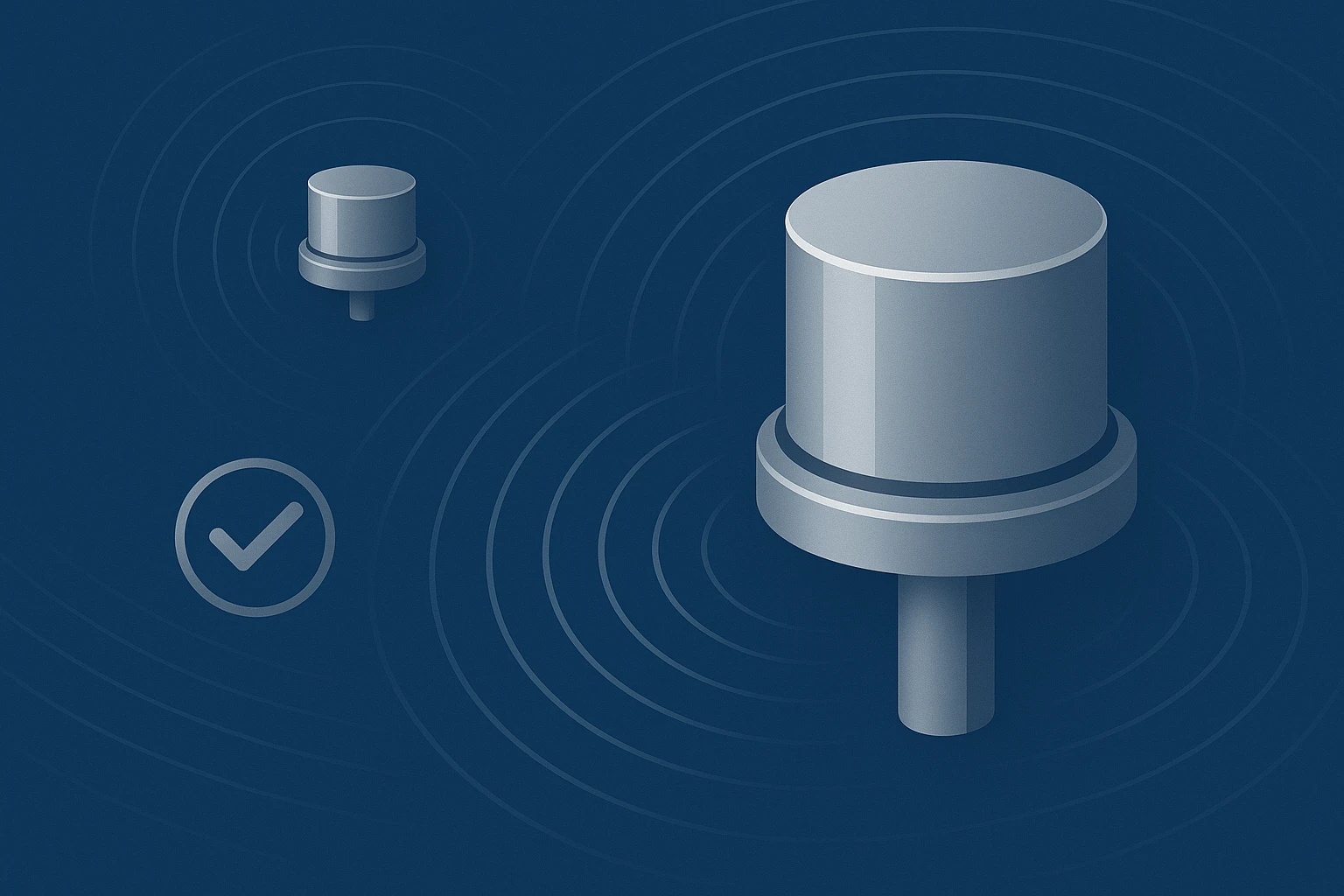
Why Quality Matters: Ultrasonic Transducer Selection for Critical Applications

When it comes to critical applications – from medical imaging and industrial non-destructive testing (NDT) to underwater sonar and precision cleaning – the performance of your ultrasonic transducer can mean the difference between success and costly failure. In these scenarios, quality is not a luxury; it is a necessity.

In this article, we'll explore why selecting a high-quality ultrasonic transducer is essential, how the right choice impacts accuracy, reliability, and longevity, and what factors you should consider when making your selection.

1. The Role of Ultrasonic Transducers in Critical Applications

An ultrasonic transducer converts electrical energy into high-frequency sound waves and vice versa. These sound waves are used to detect flaws in materials, capture medical images, or perform precise cleaning tasks.

In critical applications, even the smallest measurement error or performance degradation can have significant consequences:

Medical imaging: An unclear ultrasound image can lead to misdiagnosis.. Industrial NDT: Missed defects in structural components can compromise safety.. Underwater sonar: Inaccurate readings can lead to navigation errors.. Precision cleaning: Insufficient ultrasonic power can leave contaminants on sensitive components.

2. Why Quality Matters More in High-Stakes Environments

The demands of critical environments place exceptional stress on ultrasonic transducers. High-quality units are designed to withstand these stresses while maintaining performance.

Key reasons quality is crucial:

1. Accuracy and Sensitivity

High-grade piezoelectric elements ensure optimal signal-to-noise ratios, enabling precise detection of defects or clear imaging results.

2. Reliability Under Harsh Conditions

Industrial and marine environments can expose transducers to high temperatures, pressures, and corrosive agents. Superior construction materials and sealing techniques are essential for long-term operation.

3. Consistency Over Time

A quality transducer maintains consistent performance over thousands of cycles, reducing the need for recalibration and minimizing downtime.

4. Safety Compliance

In sectors like aerospace or healthcare, certified transducers ensure compliance with strict safety and quality standards.

3. Factors to Consider When Choosing an Ultrasonic Transducer

To ensure you select the right ultrasonic transducer for critical applications, focus on the following criteria:

a) Frequency Selection

Lower frequencies (20 kHz – 200 kHz) penetrate deeper into materials but offer lower resolution.. Higher frequencies (above 1 MHz) provide finer resolution but less penetration depth.. Match the frequency to your application's detection or imaging needs.

b) Material Quality

Use of premium piezoelectric ceramics (e.g., PZT-8 for high power, PZT-5 for sensitivity) improves energy conversion efficiency.. Ensure the housing materials are compatible with your environment (e.g., stainless steel for corrosive marine applications).

c) Beam Pattern and Size

Narrow beam patterns offer precise focus, ideal for defect location.. Wider beam patterns are suited for coverage over large areas.

d) Durability and Protection

Look for designs with robust sealing (IP67 or higher) for protection against moisture and dust.. Shock and vibration resistance for industrial use.

e) Manufacturer Reputation and Support

Choose suppliers with proven track records in your industry.. After-sales support, customization options, and calibration services can be critical.

4. Common Pitfalls in Transducer Selection

Even experienced engineers can make mistakes when selecting ultrasonic transducers. Here are some common pitfalls to avoid:

Choosing the lowest-cost option without considering long-term performance.. Overlooking environmental factors like temperature and humidity resistance.. Ignoring compatibility with existing systems or signal processing requirements.. Underestimating maintenance needs for calibration and servicing.

5. How to Maximize ROI with High-Quality Transducers

Investing in quality doesn't just improve performance – it can significantly reduce costs over the product's lifecycle.

Fewer Replacements: Higher durability reduces replacement frequency.. Reduced Downtime: Reliable operation minimizes costly interruptions.. Better Data Quality: High accuracy reduces the risk of rework and improves decision-making.

6. Future Trends in Ultrasonic Transducer Technology

The industry is moving towards more application-specific designs and integrated smart transducers that combine sensing with onboard data processing.

Miniaturization: Smaller form factors for use in compact devices.. Advanced Materials: New piezoelectric composites for higher sensitivity.. Wireless Connectivity: For real-time monitoring and diagnostics.

Conclusion

In critical applications, the quality of your ultrasonic transducer directly influences safety, accuracy, and operational efficiency. By carefully considering factors such as frequency, material quality, and environmental protection, you can select a transducer that delivers exceptional performance and long-term value.

If you're looking for custom-engineered ultrasonic transducers built to excel in demanding conditions, partnering with an experienced manufacturer ensures your project's success from the start. Our flow measurement transducers demonstrate the high SNR achievable in demanding industrial conditions.

Learn about transducer technology comparisons and explore ultrasonic cleaning applications.

Looking for reliable ultrasonic transducers? Contact our professional team for technical consulting and custom solutions.

Why Quality Matters: Ultrasonic Transducer Selection for Critical Applications

When it comes to critical applications – from medical imaging and industrial non-destructive testing (NDT) to underwater sonar and precision cleaning – the performance of your ultrasonic transducer can mean the difference between success and costly failure. In these scenarios, qu...