Soft vs Hard PZT: d33, Qm, and Engineering Selection
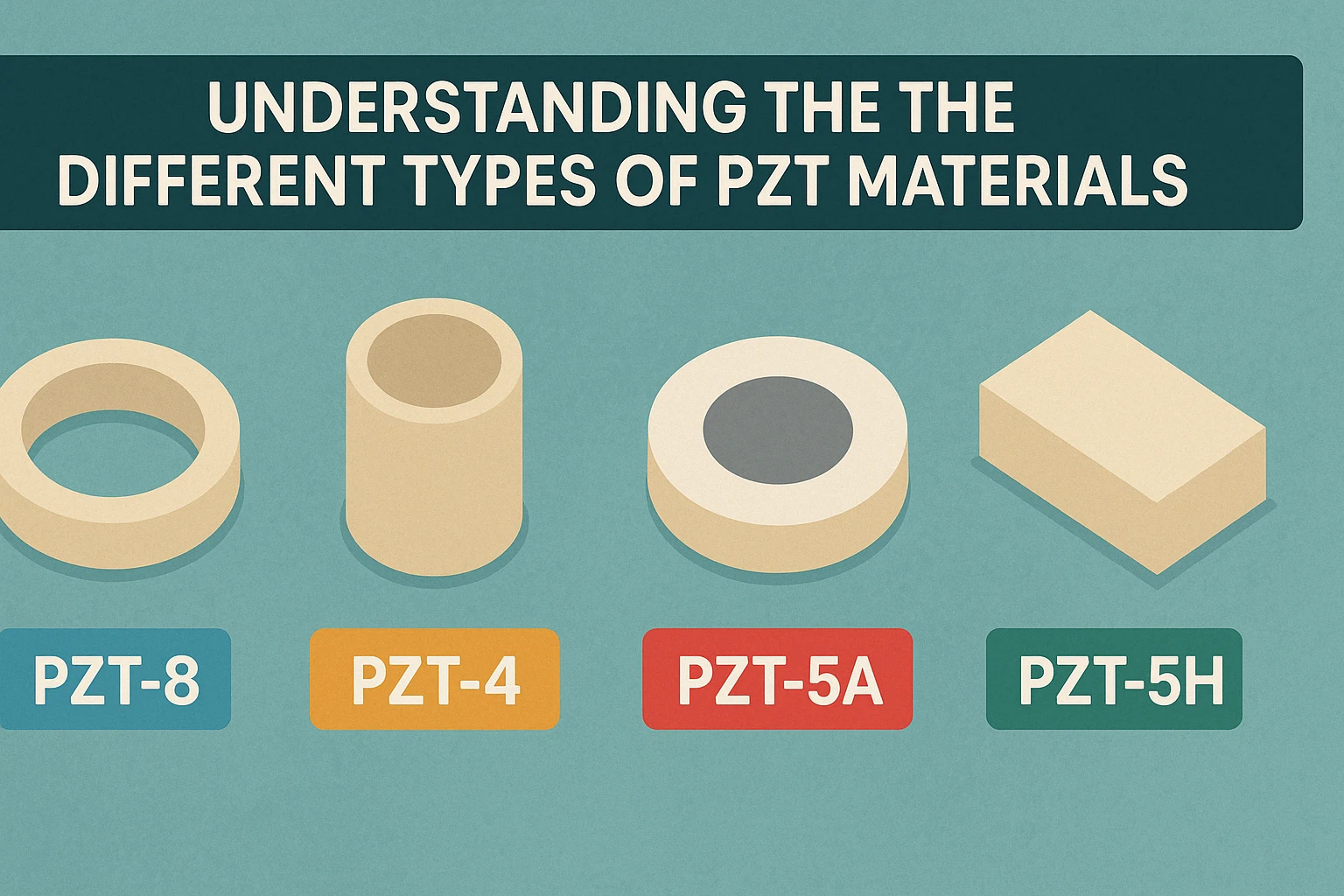
In the world of electro-ceramics, selecting the wrong piezoelectric material is the most expensive mistake an engineer can make. We see it often at Yujie Piezo: a client designs a high-power ultrasonic welding transducer using a material with high d₃₃ (sensitivity), only to find the system overheats and drifts in frequency after 10 minutes of operation.
Engineering decision focus: Match PZT-5, PZT-4, and PZT-8 to duty cycle, thermal margin, and drive level before locking your transducer architecture.
While generic datasheets define PZT (Lead Zirconate Titanate) by Navy Types, the real-world application requires a deeper understanding of the "Soft" vs. "Hard" PZT dichotomy.
This guide moves beyond textbook definitions to explain exactly when to use Soft PZT (PZT-5 series) and when to switch to Hard PZT (PZT-4/PZT-8), based on thermal dynamics, loss factors, and our manufacturing experience. For foundational knowledge, see our complete guide: What is PZT? or our updated analysis on selecting the right piezoelectric material.