
Ultrasonic Gas Flow Sensors: Efficient Monitoring for HVAC and Energy
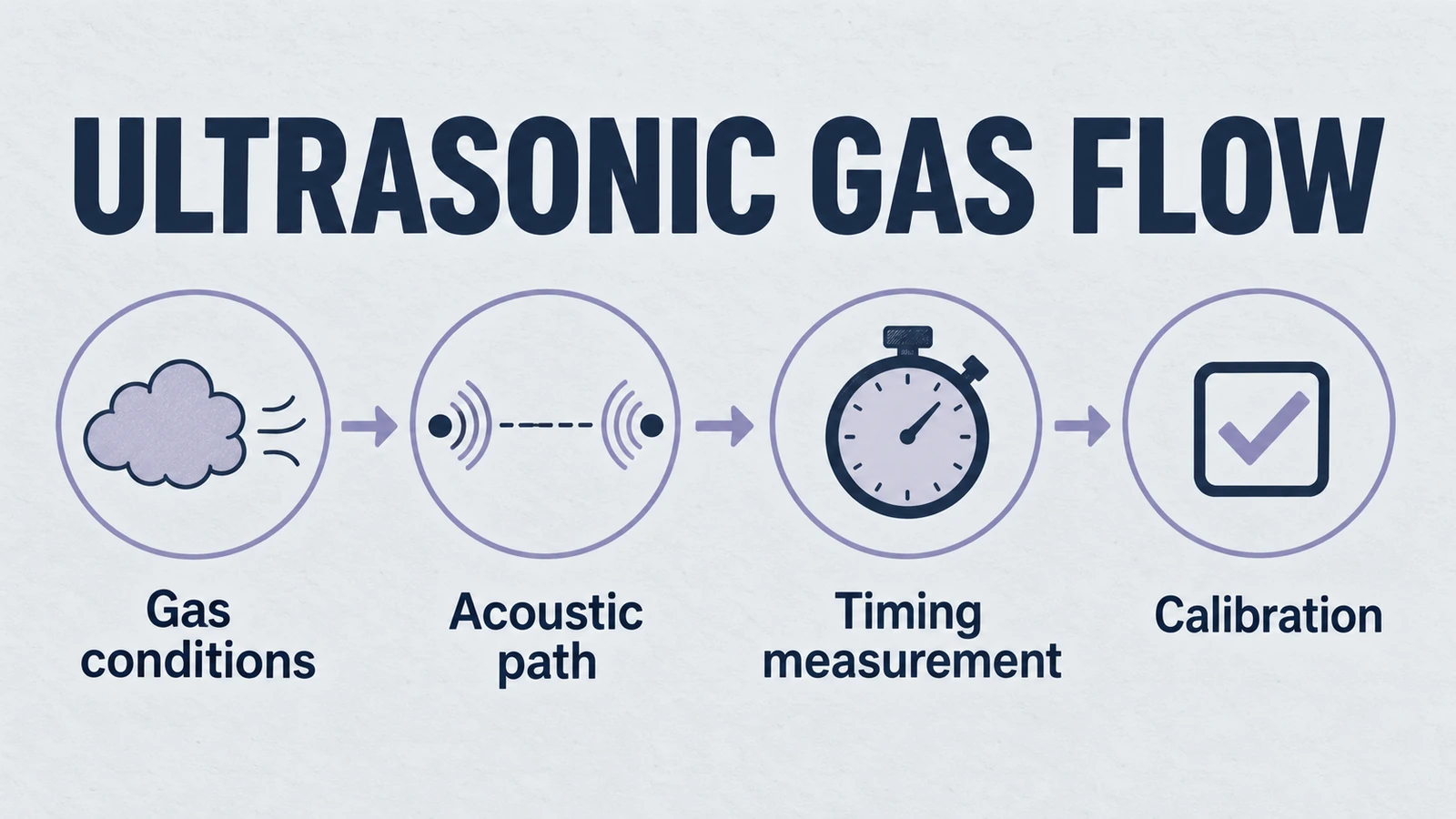
Ultrasonic gas flow sensors, also known as ultrasonic gas transducers, have emerged as an essential technology in modern HVAC systems, energy management, and industrial process monitoring. These sensors offer precise, non-invasive, and maintenance-friendly flow measurement for a variety of gases. In this comprehensive guide, we'll explore how ultrasonic gas flow sensors work, their advantages over traditional flow meters, and why they are increasingly adopted across HVAC and energy sectors.
What Is an Ultrasonic Gas Flow Sensor?
An ultrasonic gas flow sensor utilizes high-frequency sound waves to measure the velocity of gas flowing through a pipe or channel. It typically consists of a pair of piezoelectric ultrasonic transducers placed on either side of the pipe. These transducers alternately emit and receive ultrasonic pulses.
The key principle is the time-of-flight difference: sound waves travel faster in the direction of flow and slower against it. By comparing upstream and downstream transit times, the sensor calculates the gas velocity, which supports volumetric flow estimation with the appropriate path and area model. Mass flow additionally requires flowing density: mass rate = density × volumetric rate. Obtain density from suitable measurements or a justified pressure, temperature and composition model.
Benefits of Ultrasonic Gas Transducers
1. Non-Invasive and No Pressure Drop
Ultrasonic sensors can be clamp-on or in-line, with many designs not requiring any intrusion into the gas stream. This non-invasive feature prevents pressure drops and eliminates leakage risks, making them ideal for sensitive applications.
2. High Accuracy and Repeatability
These sensors provide highly accurate readings even at low flow rates, making them ideal for HVAC systems and gas metering applications where consistency matters. Typical accuracy ranges from ±0.5% to ±2% of reading.
3. Wide Operating Range
They are capable of measuring a broad range of flow velocities and gas types, including natural gas, air, CO2, and specialty gases used in industrial settings. This versatility makes them suitable for diverse applications.
4. Minimal Maintenance
With no moving parts, ultrasonic gas flow sensors are highly durable and require minimal maintenance over their service life. This reduces operational costs and downtime significantly.
5. Real-Time Monitoring and Integration
Separate analog 4–20 mA signals from documented digital interfaces and application protocols such as Modbus. Confirm the actual variant, electrical levels, wiring and supported protocol before integration.
Applications in HVAC and Energy Management
1. Heating, Ventilation, and Air Conditioning (HVAC)
Ultrasonic gas transducers are widely used to monitor airflow and gas consumption in large commercial and industrial HVAC systems. Their precision helps optimize combustion efficiency and air quality control, leading to energy savings and improved indoor comfort.
2. Smart Metering in Utilities
Many gas utility providers are switching from mechanical meters to ultrasonic sensors to enable remote reading, leak detection, and dynamic consumption analytics. This transition supports smart grid initiatives and improves billing accuracy.
3. Renewable and Green Energy
In biogas and hydrogen applications, ultrasonic flow meters ensure precise flow measurement without contamination or sensor degradation, supporting the transition to clean energy sources.
4. Industrial Gas Monitoring
Facilities handling specialty gases rely on ultrasonic flow sensors for process safety, emissions tracking, and resource optimization. These applications often require high precision and reliability under challenging conditions.
Choosing the Right Ultrasonic Gas Flow Sensor
When selecting an ultrasonic gas flow sensor, consider the following key factors:
- Type of gas (e.g., natural gas, air, CO2) and its properties
- Pipe diameter and installation method (clamp-on vs. in-line)
- Required flow rate range and accuracy specifications
- Environmental conditions (temperature, humidity, pressure)
- Integration requirements with existing control systems
- Budget considerations and total cost of ownership
Partnering with a reliable manufacturer like Yujie Technology, which offers custom piezoelectric transducers and ultrasonic flow sensor components, ensures compatibility with your system and application requirements.
Related Products
Professional 200 kHz ultrasonic gas flow monitoring solution
High-precision 1.0 MHz flow measurement technology
Industrial-grade flow monitoring solution
Request a Sample or Custom Design
Yujie Technology has ultrasonic and piezoelectric technology expertise built since 1996. We provide comprehensive solutions including:
- Custom ultrasonic gas flow transducers tailored to your specifications
- OEM solutions for HVAC and energy applications
- Technical support and comprehensive datasheets upon request
- Prototyping and testing services for custom applications
Get Started Today
Ready to implement ultrasonic gas flow sensing in your project? Request a PDF datasheet or get in touch with our technical team to discuss your specific requirements.
Contact us at business@szyujie.com to explore how we can support your sensing needs.
Product path for this search intent
Match the article topic to the right YJ Piezo product page
Use this article when sensor performance depends on target distance, beam angle, housing material, liquid behavior, or false echo control. For "Ultrasonic Gas Flow Sensors: Efficient Monitoring for HVAC and Energy", the practical value is in turning the topic into a measurable selection or sourcing decision.
- Ultrasonic Sensors
Distance, level, and detection sensor portfolio
- Flow Measurement Transducers
Bubble and flow-related ultrasonic sensing paths
- Air Acoustic Transducers
Air-coupled transducers for range and presence detection
Engineering decision notes
Ultrasonic sensing and detection
Use this article when sensor performance depends on target distance, beam angle, housing material, liquid behavior, or false echo control. For "Ultrasonic Gas Flow Sensors: Efficient Monitoring for HVAC and Energy", the practical value is in turning the topic into a measurable selection or sourcing decision.
YJ Piezo treats ultrasonic sensing as an acoustic interface problem: transducer frequency, beam shape, housing, drive electronics, and target environment are reviewed together.
Selection checks
- Define target range, dead zone, beam angle, and mounting geometry before choosing the sensor family.
- Check the medium, target surface, temperature swing, foam, vapor, and side-wall risk.
- Separate detection repeatability from ideal lab accuracy when the sensor will operate in a tank, tube, or moving line.
Failure risks
- A sensor can pass bench distance tests and still fail in tanks with foam, agitation, vapor, or narrow geometry.
- Changing only frequency without reviewing beam angle and mounting can increase false echoes.
- Ignoring housing material or sealing requirements can shorten lifetime in washdown or chemical environments.
RFQ details
- What is the minimum and maximum detection distance?
- Is the target liquid, solid, sheet material, air flow, or a moving object?
- What temperature, humidity, IP rating, and output signal does the system require?
Relevant YJ Piezo pages
- Ultrasonic Sensors
Distance, level, and detection sensor portfolio
- Flow Measurement Transducers
Bubble and flow-related ultrasonic sensing paths
- Air Acoustic Transducers
Air-coupled transducers for range and presence detection
Application FAQ
- What makes an ultrasonic sensor page useful for procurement?
- It should connect range, beam angle, output signal, housing, mounting, and environmental limits to a concrete use case. A model name alone is not enough for reliable supplier comparison.
- Which information speeds up an ultrasonic sensor RFQ?
- Send the target material, distance range, installation geometry, output interface, temperature range, IP rating, and whether the application involves foam, vapor, liquid, or moving objects.